
July 28, 2026 · 3 min read
The art of the "goes-with"
A finished room isn't a collection of good things — it's a set of pieces that agree with each other. Here's how to complete a space instead of just filling it.
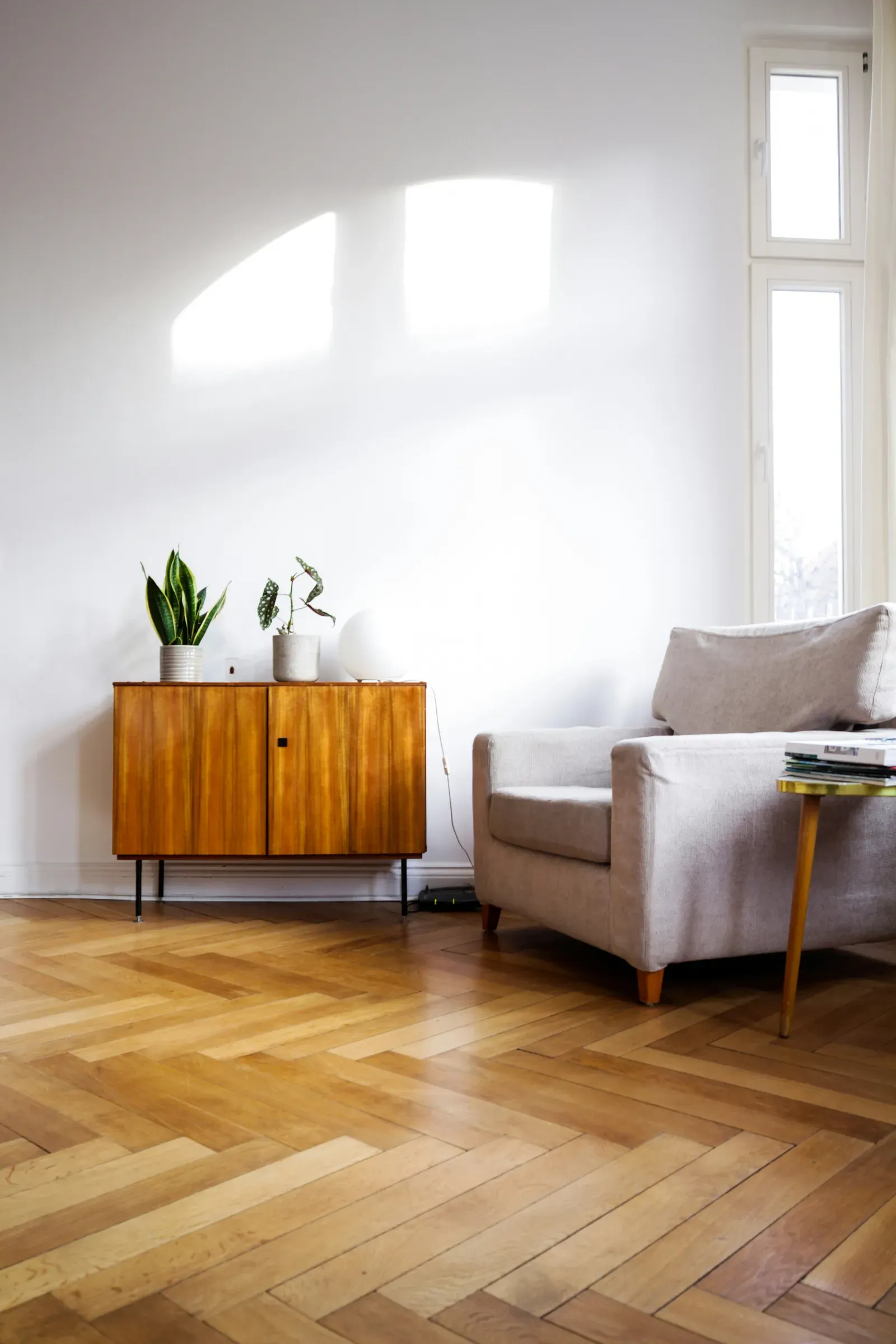
Most rooms don't fail because the furniture is bad. They fail because the pieces were chosen one at a time — a sofa in spring, a rug the next winter, a lamp because it was on sale — and never asked to sit in the same room together.
A finished space is quieter than that. Every piece is doing a job, nothing is fighting for attention, and the whole thing reads as one idea. That's the "goes-with": the art of completing a room rather than filling it.
Start from what anchors the room
Every room already has a lead. It's usually the largest upholstered piece — the sofa, the bed — or whatever you'll keep the longest. Name it, and let it set the terms: its material, its colour temperature, its formality. Everything else is a supporting cast decision.
The mistake is to shop each category in isolation ("I need a coffee table") and judge each piece on its own merits. A beautiful coffee table that ignores the sofa's warmth is the wrong table. The right question is never "is this good?" — it's "does this belong with what I already have?"
Coherence beats quality. Five pieces that agree will always read better than ten excellent pieces that don't.
Repeat, then vary
Coherent rooms rhyme. They repeat one or two threads — a material, a colour, a mood — across pieces, so the eye reads them as related:
- A material echo. Bouclé on the sofa, picked up in a pouf or a cushion.
- A wood tone. The same warm oak in the coffee table, the shelving, the frames.
- A colour that recurs in three places, never just one.
Then you break the pattern on purpose. Once the room rhymes, one contrast — a black metal lamp in a room of pale wood, a single sculptural chair — reads as intentional rather than random. Repetition earns you the right to a surprise.
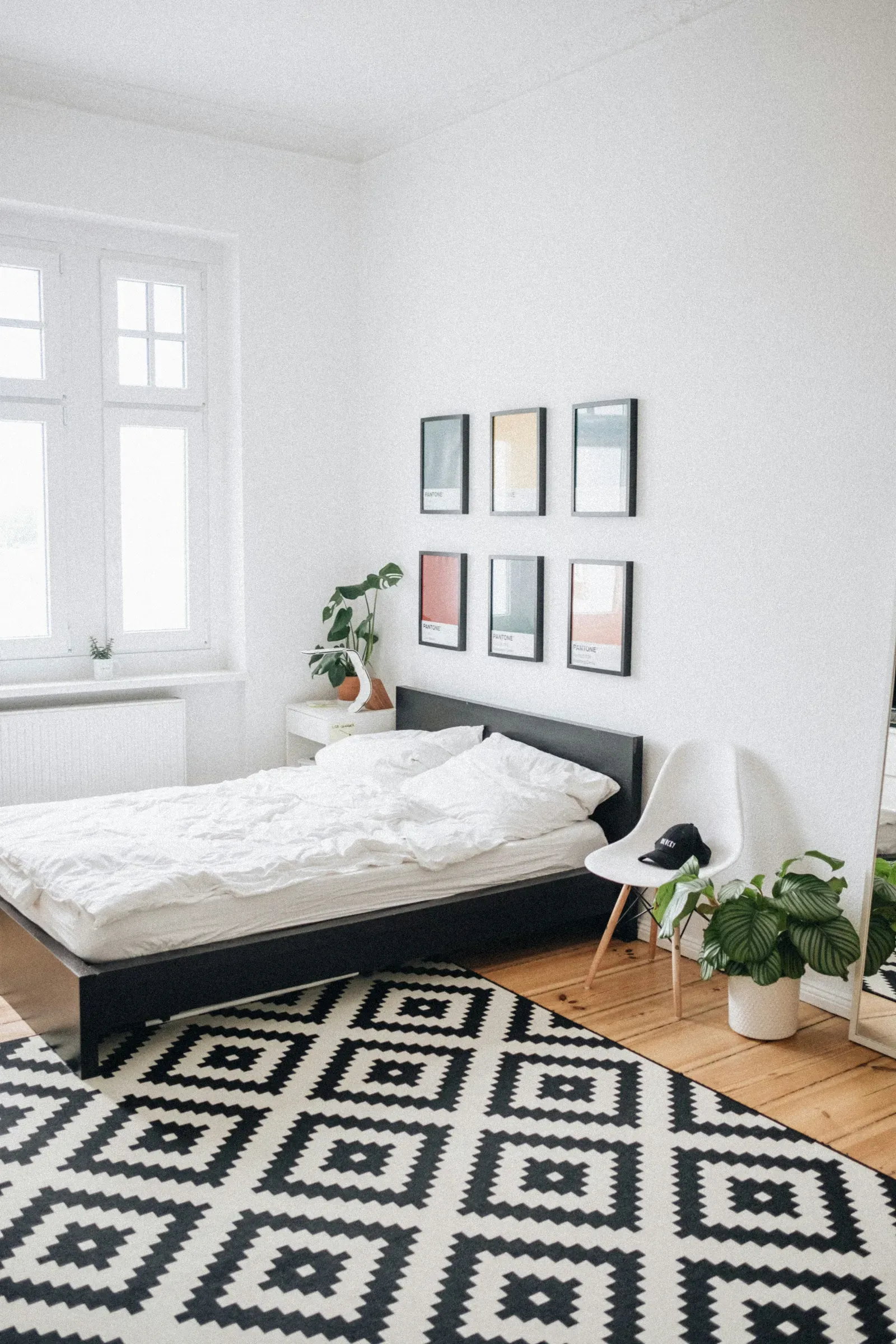
Don't re-buy what you own
The fastest way to make a room feel unfinished is to add another version of something already there. If the space has a strong sofa, it doesn't need a second statement seat — it needs the things around it: the side table, the light to read by, the rug that pulls it together.
This is the whole idea behind our pairing guides: start from a piece you already own and see the complements that complete the room around it — never more of the same.
A simple sequence
If you're staring at a half-finished room, work in this order:
- Anchor — name the lead piece and read its material, colour and mood.
- Ground — get the rug right; it sets the room's footprint and palette.
- Light — layer it: one ambient source, one to read or work by.
- Surfaces — the tables that make the room usable.
- The last 10% — textiles and a few objects, to soften and finish.
None of this requires a designer's eye — just the discipline to keep asking whether each new thing agrees with the room. That's exactly what Douillet is built to do: describe a space or upload a photo and it curates pieces that belong together. Or, if you'd rather browse, start from the catalogue.
A room is finished not when there's nothing left to add, but when nothing is out of place.